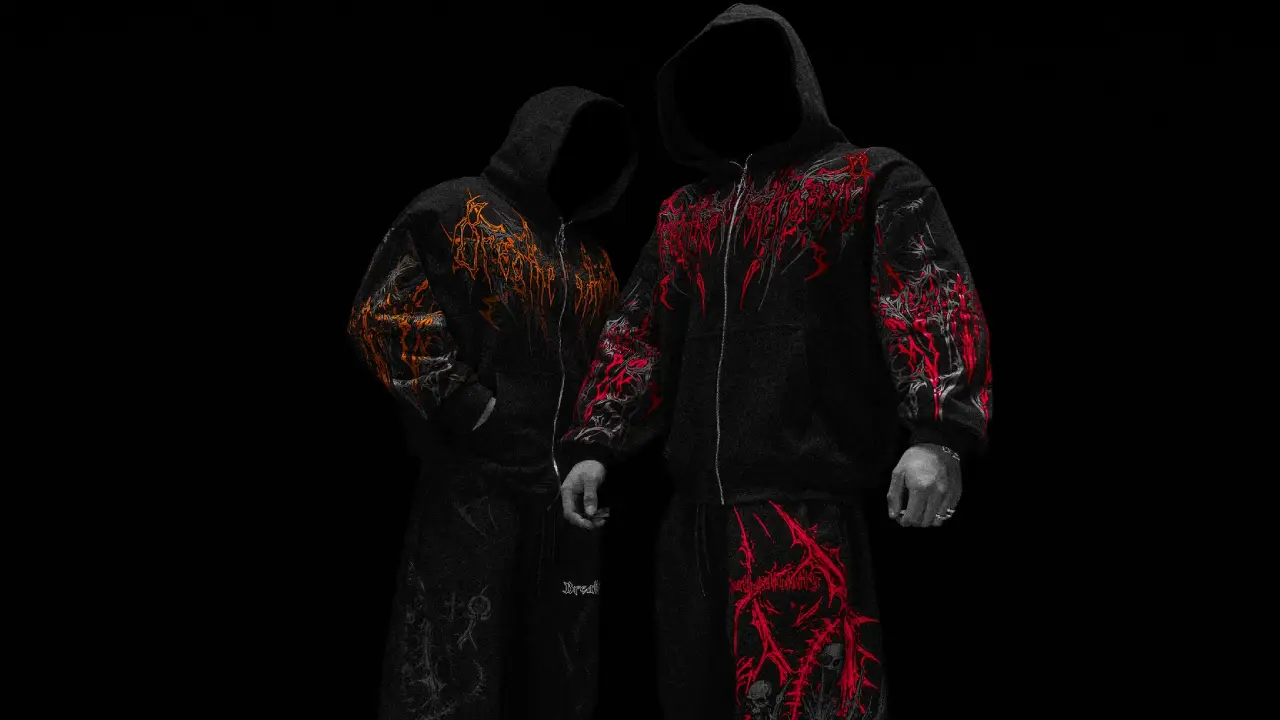
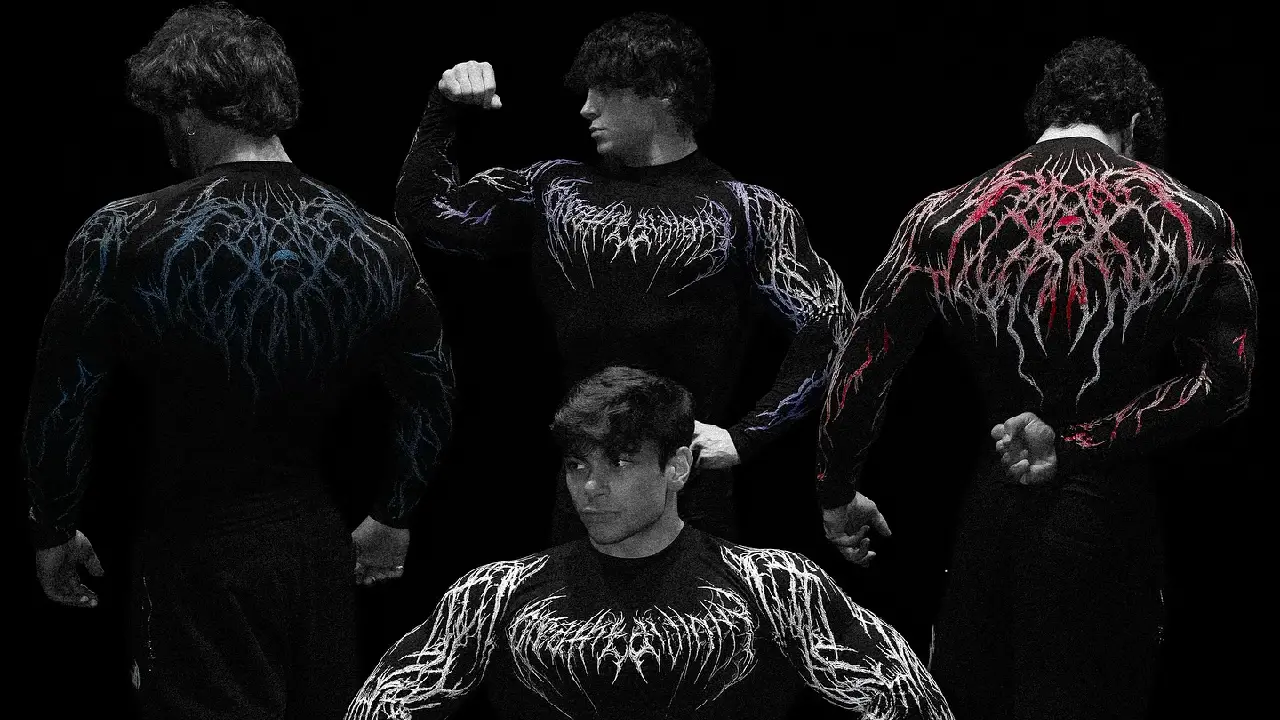
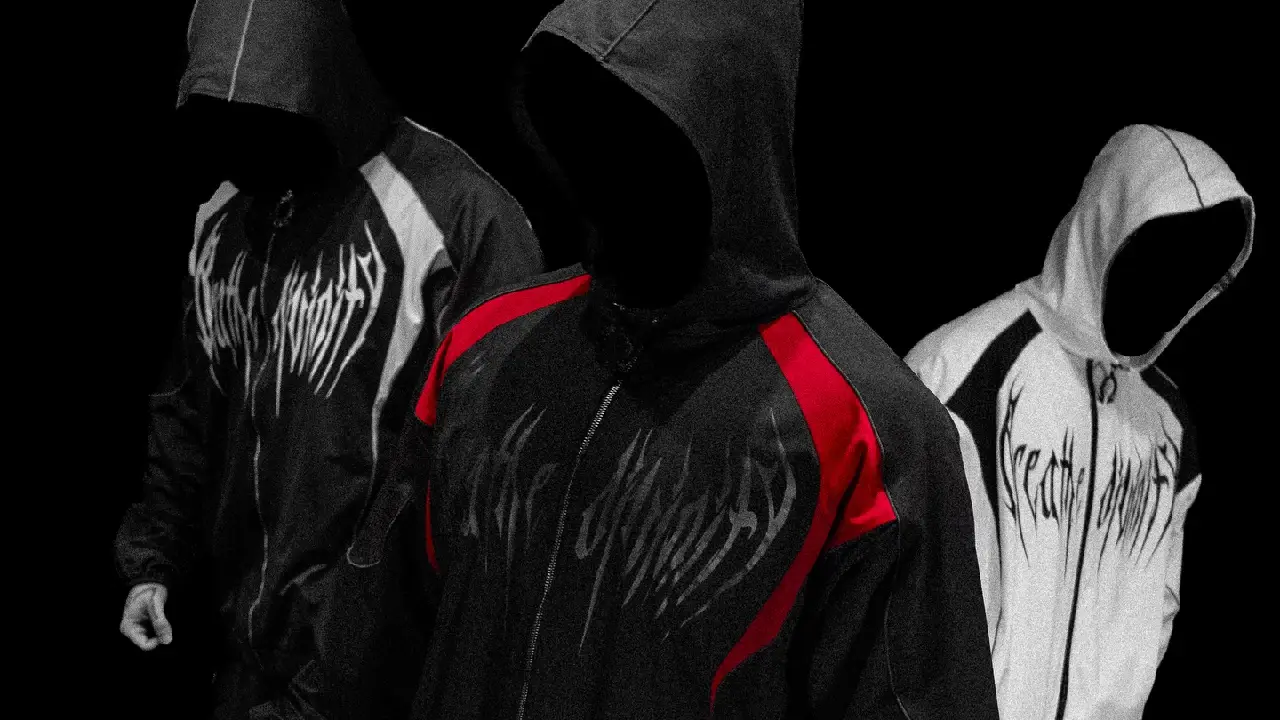
Breathedivinity Fabric Choices Used in Winter Wear


Winter wear depends heavily on fabric choices. Cold weather requires thoughtful material selection. Fabric controls warmth and comfort levels. Breathability also matters during winter wear. People move between indoor and outdoor spaces. Fabric should adapt to temperature changes. Soft textures improve wearing experience. Loose weaves improve airflow balance. Winter fabrics must avoid irritation. Comfort builds confidence in winter wear. Fabric softness supports relaxed movement. People prefer materials that feel cozy. Fabric choice impacts overall satisfaction. Breathedivinity fabric choices support winter comfort naturally. Reliable fabric improves daily winter routines. Winter clothing needs balanced performance. Fabric quality defines winter wear value. Thoughtful materials improve seasonal experience.
bRAND Fabric Warmth In Cold Seasons
Warmth remains essential during winter wear. Fabric structure controls heat retention. Air pockets inside fabric trap warmth. Dense fibers reduce cold air entry. Winter fabrics should insulate efficiently. Material thickness supports temperature regulation. Wool offers natural heat retention. Cotton blends balance softness and warmth. Fleece materials provide lightweight insulation. Winter fabrics should avoid stiffness. Flexible warmth enhances comfort. Soft insulation feels more inviting. People seek warmth without bulk. Material innovation improves heat control. Breathedivinity warmth focused fabrics meet winter needs. Effective warmth supports daily wear routines. Fabric warmth builds trust in clothing. Winter comfort starts with right materials. Good warmth improves seasonal satisfaction.
Breathability Importance In Winter Materials
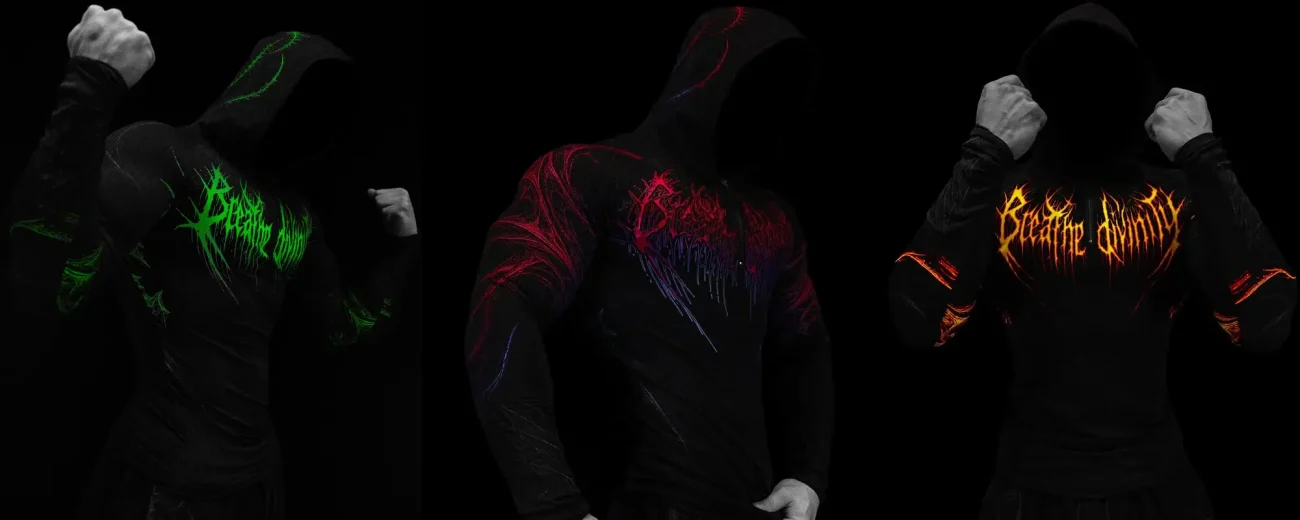
Breathability matters even during cold weather. Winter clothing traps heat effectively. Excess heat causes discomfort quickly. Breathable fabrics allow moisture escape. Sweat buildup reduces thermal comfort. Balanced airflow supports body regulation. Breathability prevents damp feeling inside clothing. Winter activities increase body movement. Breathable materials keep skin dry. Comfort improves with airflow balance. Breathability supports layering systems. Air movement improves overall wearability. Winter comfort relies on breathability balance. People value breathable winter clothing. Breathedivinity Clothing fabrics maintain airflow during cold seasons. Breathable construction supports active lifestyles. Balanced breathability reduces discomfort. Winter materials need intelligent design. Air circulation improves long wear comfort.
Fabric Softness For Skin Feel
Skin comfort defines winter clothing satisfaction. Fabric touches skin directly for hours. Soft materials reduce irritation risk. Rough fibers cause discomfort quickly. Winter skin becomes sensitive easily. Cold weather dries skin surfaces. Soft fabrics protect skin barrier. Gentle textures improve wearing confidence. Winter clothing stays close to body. Softness reduces friction irritation. Natural fibers offer pleasant softness. Blended fabrics balance softness and strength. Fabric finishing improves tactile experience. Soft winter fabrics feel luxurious. Comfort leads to brand loyalty. Breathedivinity softness standards support skin comfort. Soft fabric improves winter wellbeing. Cozy materials enhance seasonal enjoyment. Fabric comfort matters every winter day. Softness transforms winter wear experience.
Durability Needs For Winter Fabrics
Winter fabrics face heavy usage demands. Cold seasons require daily wear rotation. Fabric durability ensures long term value. Strong fibers resist wear damage. Winter garments face frequent washing. Durability prevents fabric thinning. Strong stitching supports fabric lifespan. Winter fabrics face friction layers. Coats rub against inner layers. Durable fabrics resist pilling issues. High durability reduces replacement costs. Fabric strength supports active movement. Many shoppers ask too much how long does breathedivinity take to ship. Winter activities strain clothing materials. Durable fabrics maintain shape integrity. Stretch recovery matters for comfort. Fabric resilience improves wear confidence. Winter wear must last seasons.
Balance Without Heavy Weight
Winter wear should avoid heavy bulk. Heavy clothing restricts natural movement. Lightweight insulation improves daily comfort. Fabric technology allows warmth without weight. Trapped air provides insulation. Modern fibers enhance heat retention. Lightweight materials support layering ease. Bulky fabrics reduce flexibility. Balanced insulation improves versatility. Warmth efficiency defines material quality. Winter clothing should feel effortless. Lightweight warmth improves travel comfort. Balanced insulation supports indoor use. People prefer less restrictive garments. Modern fabrics reduce unnecessary bulk. Breathedivinity insulation balance supports winter mobility. Efficient warmth improves daily comfort. Lightweight fabrics enhance winter experience. Balanced insulation suits diverse activities. Smart materials redefine winter wear.
Fabric Weight For Layering
Layering forms core winter dressing strategy. Fabric weight affects layering success. Lightweight fabrics support multiple layers. Heavy fabrics limit outfit flexibility. Proper weight balances warmth needs. Winter layers should work together. Thin fabrics trap heat efficiently. Fabric weight influences breathability levels. Lightweight layers reduce overheating risk. Light layers suit variable temperatures. Weight balance improves travel comfort. Layered clothing handles weather changes. Fabric weight affects packing ease. Lightweight fabrics support daily wear. Winter comfort depends on layering harmony. Breathedivinity fabric weight supports effective layering. Smart weight selection improves versatility. Layer friendly fabrics enhance winter routines. Proper weight improves thermal control. Layering success depends on fabric choice.
Color Retention In Winter Fabrics
Color retention matters in winter clothing. Dark shades dominate winter wardrobes. Fabric dyes must resist fading. Winter washing affects color stability. High quality dyes improve longevity. Color fading reduces garment appeal. Consistent color builds confidence. Winter clothing faces friction layers. Color stability improves wardrobe cohesion. Buyers prefer long lasting colors. Seasonal wear demands reliability. Color retention saves replacement costs. Winter fabrics face moisture exposure. Moisture can affect dye strength. Treated fabrics resist fading better. Color quality reflects fabric value. Breathedivinity fabrics maintain strong winter colors. Stable colors improve customer trust. Winter wear looks refined longer. Color consistency supports gifting appeal. Reliable colors enhance satisfaction.
Sustainable Fabric Choices For Winter Wear
Sustainability influences modern buying choices. Winter clothing production impacts environment. Fabric sourcing matters greatly. Sustainable fibers reduce environmental strain. Eco friendly fabrics use less resources. Responsible production improves brand image. Sustainable winter fabrics last longer. Fabric innovation improves eco performance. Lower impact dyes reduce pollution. Sustainable fabrics maintain quality standards. Responsible sourcing builds loyalty. Buyers seek meaningful purchases. Sustainability supports long term value. Winter garments can be eco friendly. Fabric responsibility shapes future fashion. Breathedivinity sustainability focus aligns with winter needs. Eco conscious fabrics meet performance demands. Sustainable winter wear feels purposeful. Responsible choices enhance satisfaction. Fabric ethics influence brand credibility.
Comfort Expectations From Winter Materials
Comfort remains primary winter clothing goal. Fabric comfort affects daily wellbeing. Winter garments should feel reliable. Comfortable fabrics reduce stress levels. Physical comfort improves mental comfort. Winter cold challenges body balance. Soft warm fabrics offer protection. Comfort supports longer wear duration. Clothing should adapt to environments. Comfort improves lifestyle quality. Winter fabrics need thoughtful design. Balanced comfort enhances satisfaction. Fabric performance defines comfort perception. Buyers trust comfort focused brands. Winter wear comfort defines success. Breathedivinity comfort driven fabrics meet expectations. Reliable comfort encourages repeat purchases. Winter materials should feel dependable. Comfort focused design builds loyalty. Fabric comfort shapes winter experiences.